The first English colony in America, financed by a lottery

Oct 05, 2026

Oct 05, 2026
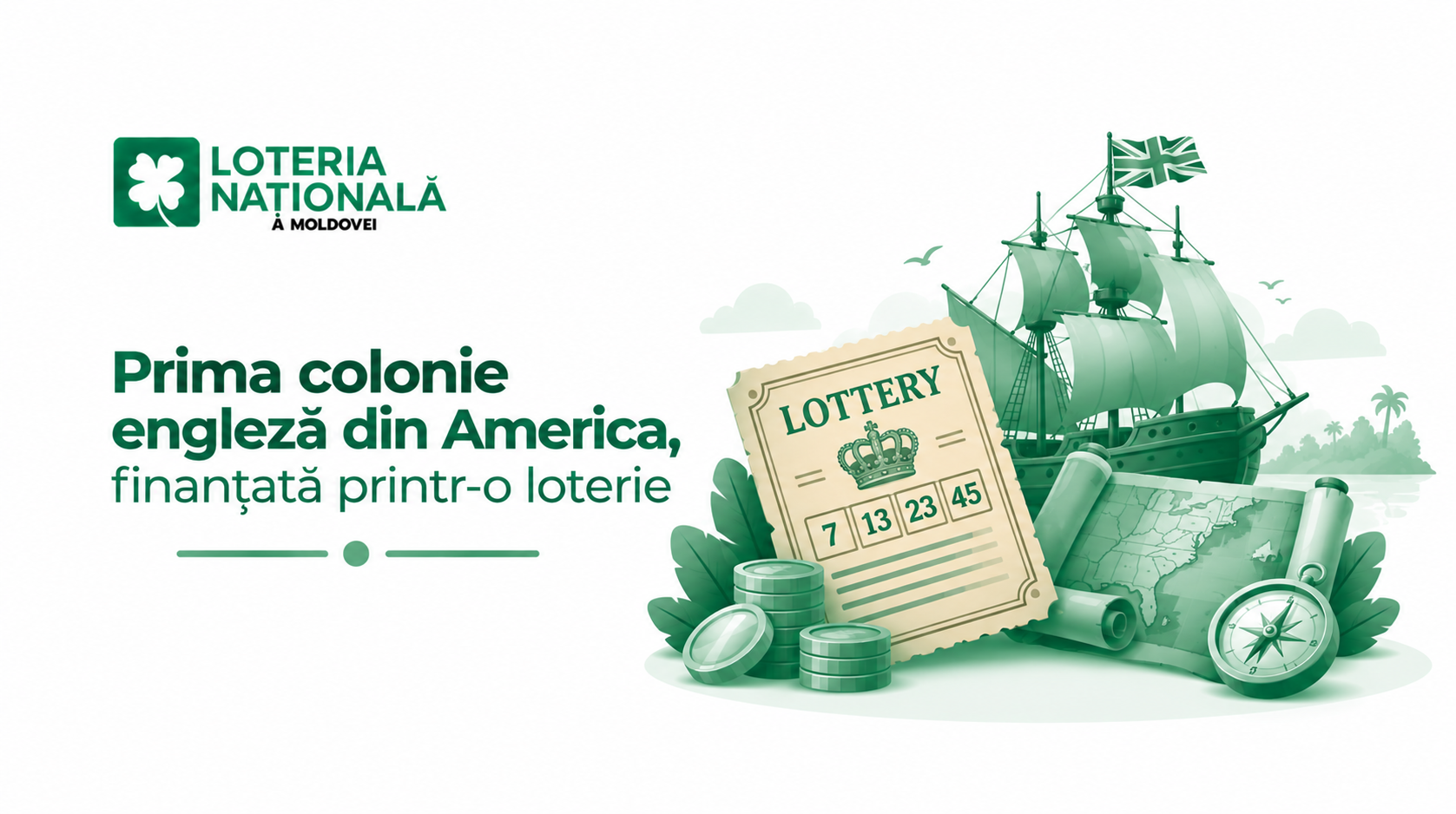
Few people know that the first permanent English colony in America — Jamestown — was kept alive largely thanks to money raised through a lottery. It is an example that shows just how old and widespread this practice is.
The settlement at Jamestown, founded in 1607, was the first permanent English colony in North America. It was established by the Virginia Company of London, a joint-stock company chartered by King James I to set up a colony across the ocean. Investors hoped for profits from the natural resources of the New World.
The reality was far harsher. In the early years, the colony faced:
Famine and lack of supplies
Diseases that claimed many lives
Conflicts with the local population
The exhaustion of investors' money
By the summer of 1612, the project had proven tumultuous and costly — in both money and lives. Few investors were willing to add more from their own pockets.
Faced with this deadlock, the company turned to King James I for help. The Crown did not offer money directly, but permitted the company's leadership to organise a lottery. This is how the First Great Standing Lottery came into being, in 1612.
The mechanism was simple:
Tickets were sold at a price of 2 shillings and 6 pence
The prizes offered the chance to win sums worth around £5,000
The proceeds remaining after paying prizes and expenses covered the transport of people and supplies to Jamestown
The top prize of the first draw was considerable. A tailor named Thomas Sharplisse won 4,000 crowns — a small fortune for the time.
The role of this money was so important that Captain John Smith, one of the colony's leaders, referred to the lottery as its "real and substantial food." Without this rapid influx of capital, the entire project might have failed.
Here is a brief summary of how these lotteries worked:
The lotteries continued for several years. The Virginia Company reported £7,000 in lottery earnings for the year 1619 — the largest part of the company's available cash in 1620.
The success of the lotteries also drew criticism in England. Eventually, the Crown banned lotteries run for Jamestown's benefit, following complaints that they were draining the country of money. Even so, the critical moment had been passed, and the colony survived.
The story did not stop there. More than a century later, the Thirteen Colonies used lotteries again to raise funds — this time for the War of Independence. From the earliest chapters of American history, the lottery remained a financial tool used for large-scale projects.
This episode shows one simple thing: the lottery has a long history and has, over time, been much more than a form of entertainment. Today, within a regulated and transparent framework, it continues to combine chance with a useful role for society.
High-risk gambling games such as slots are intended exclusively for people aged 21 and over, while lower-risk games such as lotto and betting are for people aged 18 and over. Treat gambling as a form of entertainment, set a clear budget in advance, and stick to it whatever the result.
Want to learn more?
You'll find guides, explanations and articles that help you understand how the games work before you decide.