How did lotteries come about?

Sep 16, 2026

Sep 16, 2026
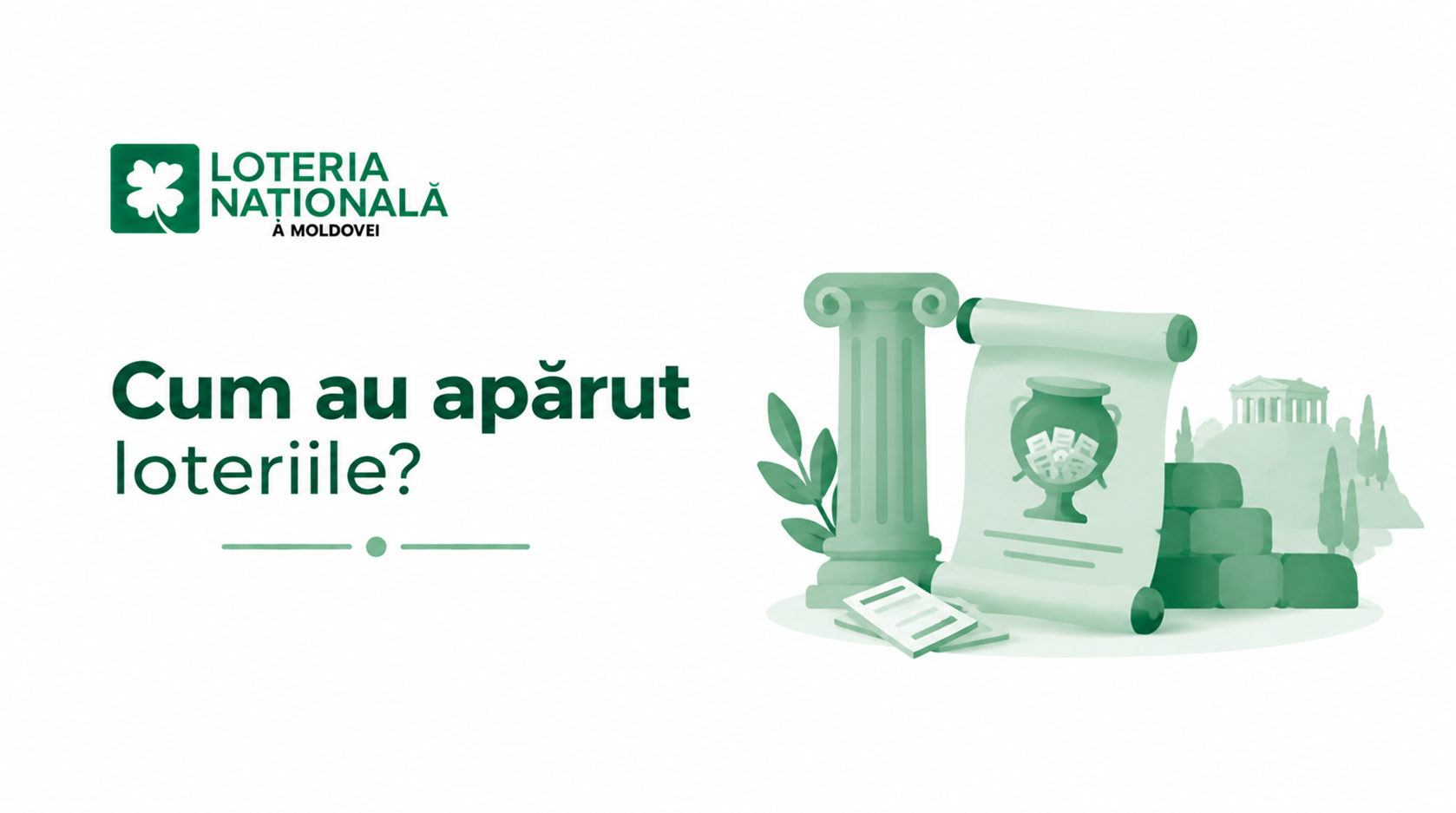
The idea of drawing lots is much older than we might imagine. Long before numbered balls, televised draws or online platforms, people used chance to make decisions, divide up goods or, simply, to have fun.
The lottery as we know it today is the result of a long road, one that starts in Antiquity and passes through Italian cities, the American colonies and the offices of modern governments. Here's how it was born, step by step.
The practice of letting fate decide is present in almost all ancient civilizations. It wasn't always about winnings in money. Often, drawing lots had a practical or even political role.
The most telling example comes from ancient Athens. The Greeks didn't choose all their leaders by vote, but through a system of drawing lots. The names of eligible free men, usually over 18, were placed in a form of lottery, and those drawn received positions as jurors or council members. Chance was considered fairer than direct choice, precisely because it couldn't be influenced or bought.
So, at its origin, the lottery wasn't a game for money, but an instrument of decision. The link with financial prizes would appear much later.
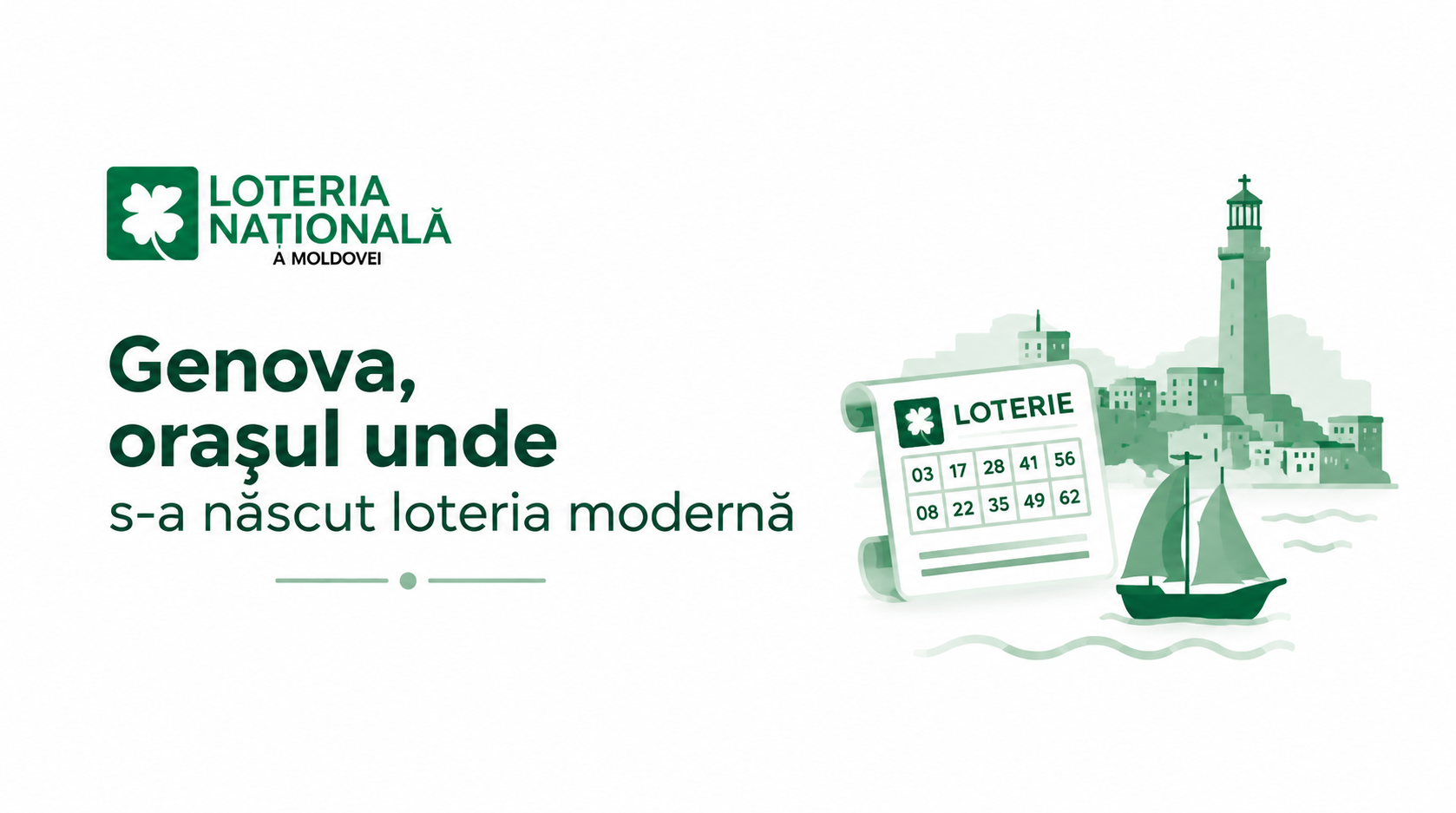
The moment that turned drawing lots into a game close to today's took place in Italy, in Genoa, in the 17th century. Here, the local custom of choosing the members of the city council gave rise to a game of money.
Every few months, some of the members of the Great Council were replaced, and residents began to bet on who would be chosen. The mechanism was quickly refined:
The candidates' names were written on cards
The cards were placed in an urn
On the day of the decision, a few were drawn by lot
Whoever guessed the names drawn won the money
The decisive step was replacing the names with numbers. This is how the structure with 90 numbers from which five are drawn appeared, exactly the model we recognize in loto to this day. Once turned into a game with numbers, the Genoese model spread like lightning to Venice, Naples, then to Prussia, Austria and the rest of Europe, where it was often called "lotto from Genoa".
As the game spread, the authorities noticed an important thing: the lottery could bring in money without imposing new taxes. People bought tickets willingly, and the surplus left after prizes went toward the needs of the community.
This logic caught on everywhere. The difference from earlier periods is easy to sum up:
In many cities, the money raised paid for bridges, roads, defensive walls or public lighting. The lottery had become, in practice, a form of voluntary tax, paid by those who wanted to try their luck.
The idea crossed the ocean too. In the American colonies, the lottery played a surprisingly important role, coming to finance essential projects.
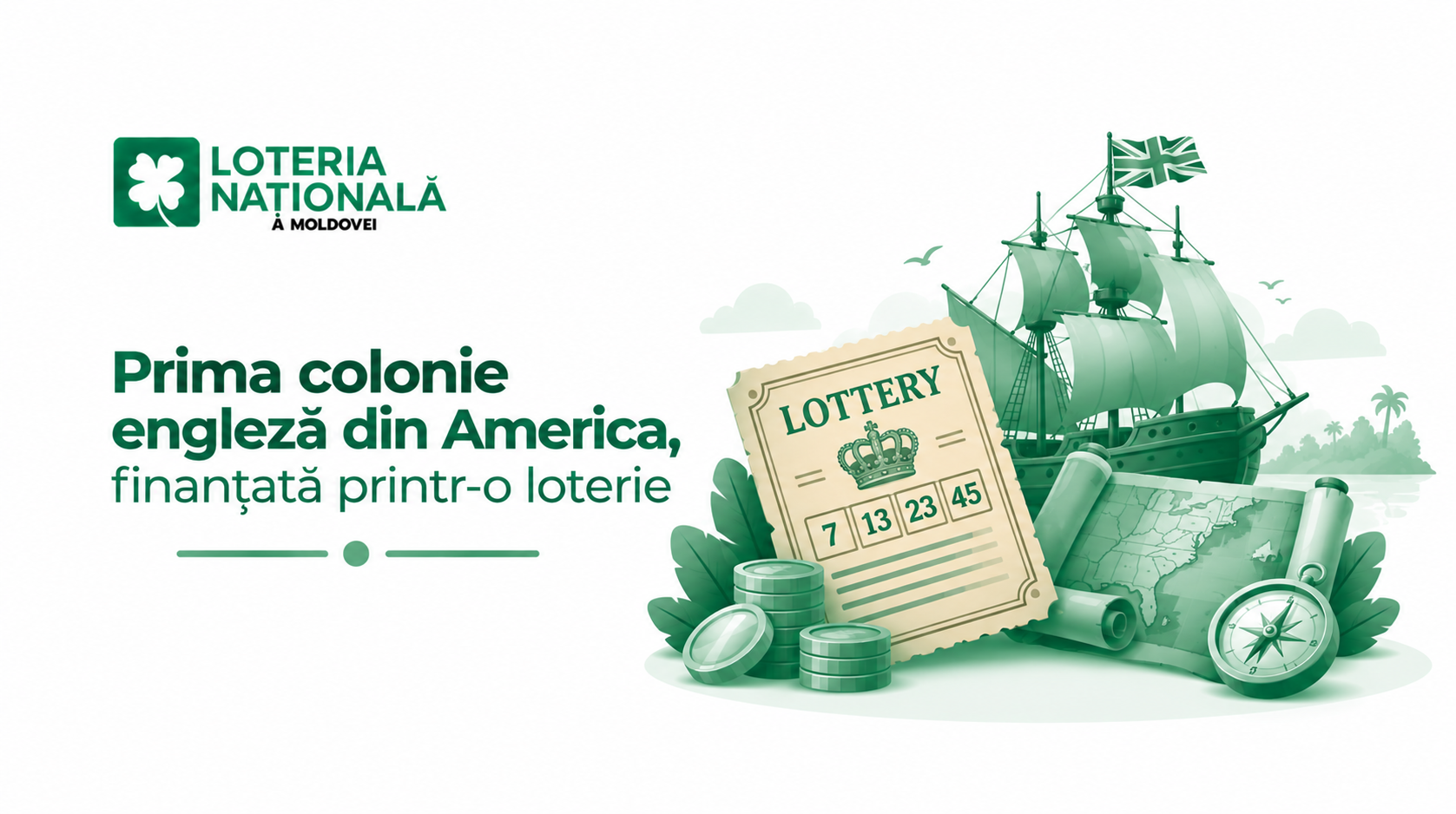
Through the 17th and 18th centuries, the colonies used lotteries to build libraries, churches and the first colleges. What's more, a lottery even helped save the first permanent English colony, Jamestown, which was on the verge of collapse for lack of money. And in 1776, in the middle of the War of Independence, the authorities organized a large lottery to raise funds for the war effort. For the communities of the time, buying a ticket was almost a civic duty.
For a long time, lotteries operated quite disorganized. Some were banned, then tolerated, others gave rise to fraud or abuse. The lack of clear rules created, over time, distrust.
Gradually, states took control of these games. Licenses, strict rules, supervision and transparent draw procedures appeared. The lottery thus went from an often chaotic business to a carefully regulated activity, in which fairness and player protection became priorities.
This is, in fact, the leap that separates the lottery of old from that of today. Not the basic mechanism, which has remained almost unchanged, but the framework around it.
Looking at this whole road, it's hard not to notice how little the essence of the game has changed. The five numbers drawn from a total of ninety in Genoa are, broadly, the same ones you tick on a ticket now. The technology, the guarantees and the rules have changed, not the underlying idea.
The lottery started as a way of letting fate decide, became a game for money, then a source of financing for communities, and finally a regulated and supervised activity. It is, in the end, the story of an ancient custom that has withstood the centuries, adapting each time to the times it passed through.
Don't forget that the lottery and betting are permitted from age 18, and higher-risk games, such as slots, only from 21. However old and fascinating its history may be, the lottery remains a form of entertainment, not a way to win money. Play responsibly, with a budget set in advance.
Want to learn more?
You'll find guides, explanations and articles that help you understand how the games work before you decide.